Home » Services
Gastroenterology & Hepatology Services – Brisbane
Comprehensive Gastroenterology & Hepatology Services in Brisbane – Tailored Care for Your Health Needs
Dr. Maher's Approach to Gastroenterology & Hepatology Care
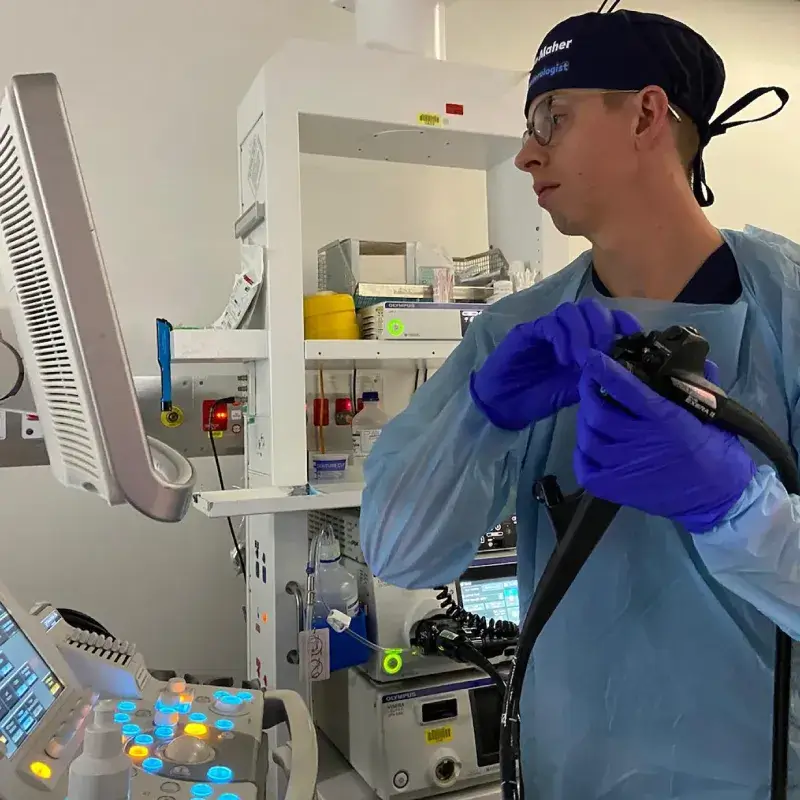
“I welcome all new referrals and provide comprehensive gastroenterology and hepatology care. My focus is on delivering precise, personalised gastroenterology care – guiding patients from consultation through to procedures, recovery, and follow-up.
By combining advanced techniques with a patient-centred approach, I aim to provide timely diagnosis, effective treatment, and reassurance throughout the journey. Whether you require a routine investigation or complex therapeutic intervention, my goal is to ensure a streamlined, safe, and personalised experience.
I offer both pre- and post-procedure consultations, as well as direct-access endoscopy and colonoscopy for suitable patients to streamline their care. My practice covers the full spectrum of general gastroenterology and hepatology, with a particular interest in pancreatobiliary disease and therapeutic endoscopy.”
— Dr Adrian Maher
Gastroenterology & Hepatology Services
Dr. Maher provides a comprehensive range of services to treat a variety of gastrointestinal and liver conditions, utilising advanced techniques for accurate diagnosis and treatment:
Gastroscopy (Upper Endoscopy)
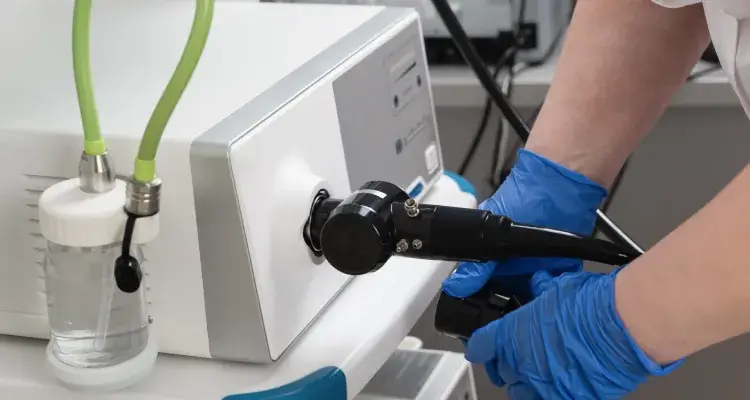
A gastroscopy is a safe and commonly performed procedure that allows me to closely examine the oesophagus, stomach and upper small intestine using a thin, flexible camera. It helps diagnose symptoms such as reflux, heartburn, nausea, vomiting, abdominal discomfort, difficulty swallowing, coeliac disease, anaemia and unexplained weight loss.
During the procedure, you are comfortably sedated and monitored by a consultant anaesthetist. I may take biopsies to assess for inflammation, infection, coeliac disease or early precancerous changes. Gastroscopy can also be used to treat problems at the same time, such as dilating narrowed areas, controlling bleeding or removing lesions.
Fasting instructions vary from patient to patient. Your preparation plan is based on your medical and surgical history, medications and the specific procedure being performed, and I will provide clear instructions tailored to your circumstances.
Colonoscopy
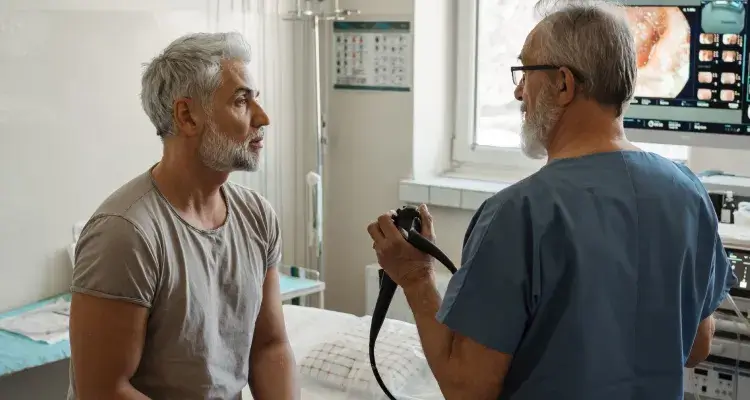
A colonoscopy is the most accurate way to examine the entire large bowel. It is used to investigate symptoms such as rectal bleeding, changes in bowel habits, abdominal pain, chronic diarrhoea, unexplained iron deficiency anaemia or a family history of bowel cancer. It is also an important tool in bowel cancer screening and prevention.
You will be sedated for comfort, and the procedure allows detection and treatment during the same examination. Polyps can be removed, biopsies taken and areas of inflammation or bleeding closely assessed. Removing polyps significantly reduces the risk of bowel cancer developing in the future.
Fasting and bowel preparation requirements vary between individuals. Your personalised preparation plan considers your medical and surgical history, your medications (including blood thinners and diabetes medications) and the exact procedure being performed and the timing of this procedure.
EUS (Endoscopic Ultrasound)
Endoscopic ultrasound combines endoscopy with high-resolution ultrasound to produce detailed images of the gastrointestinal tract, pancreas, bile ducts and surrounding structures. It is an important tool for assessing pancreatic lesions or cysts, bile duct abnormalities, submucosal lumps, enlarged lymph nodes and staging certain gastrointestinal cancers.
If needed, I can perform fine-needle biopsies during the same procedure to obtain highly accurate tissue samples. Sedation is provided to ensure you remain comfortable throughout.
Your fasting instructions may differ depending on your health conditions, medications and the precise type of EUS being performed. I will supply a personalised preparation plan for you.
ERCP (Endoscopic Retrograde Cholangiopancreatography)
ERCP is a specialised endoscopic procedure used to diagnose and treat conditions of the bile ducts and pancreas. It is commonly used for bile duct stones, blockages, strictures, infections (cholangitis), leaks after gallbladder surgery and certain pancreatic conditions.
Using endoscopy combined with X-ray imaging, I can remove stones, place stents to relieve obstruction, widen narrowed areas and obtain tissue samples if required. Because ERCP is primarily a therapeutic procedure, it often prevents the need for surgery and can provide immediate symptom relief.
Fasting requirements differ depending on your individual circumstances and the nature of the procedure. I will provide instructions tailored to your medical background and medications.

Capsule Endoscopy
Capsule endoscopy allows us to examine the small bowel using a swallowable capsule camera, roughly the size of a vitamin tablet. It is particularly helpful for investigating unexplained anaemia, suspected bleeding, Crohn’s disease, or abnormalities seen on other scans that require further evaluation.
The test is painless and does not require sedation. Once swallowed, the capsule takes thousands of images as it travels naturally through your digestive system. You can continue with most normal daily activities while wearing a small recorder.
Your fasting and preparation instructions will be tailored specifically to your medical history, medications and the reason the test is being performed.
FibroScan
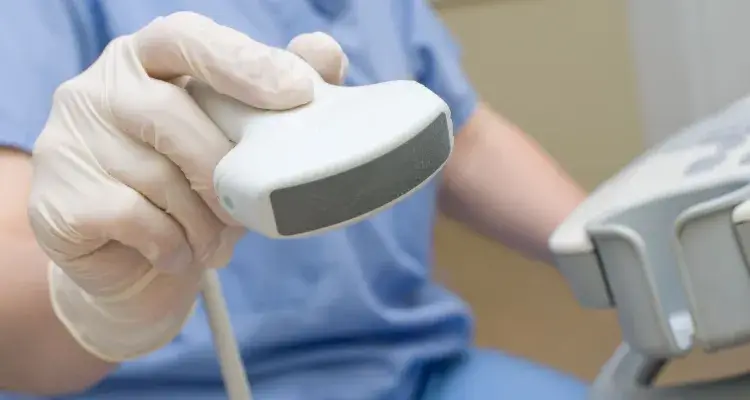
FibroScan is a quick, non-invasive test used to assess liver stiffness and fat content. This helps diagnose and monitor conditions such as fatty liver disease, chronic hepatitis, liver fibrosis and early cirrhosis.
It is painless, takes only a few minutes and provides immediate results that help guide long-term liver care.
No sedation is required. In some cases, a short fasting period may be recommended, depending on your medical background and the information we are trying to obtain. I will provide fasting instructions specific to your situation.
Frequently Asked Questions
Do I need a referral?
Yes. A valid referral from your GP or specialist is required for consultation and procedures. Referrals can be sent electronically (via Medical Objects), faxed, emailed, or uploaded directly through this website.
What is direct access endoscopy?
Direct access means that, for suitable patients, a colonoscopy or gastroscopy can be arranged without the need for an initial clinic appointment. A nurse from our practice will contact you first to review your medical history and medications, and to provide instructions.
How will I know how to prepare?
You will be given clear written instructions, and we also recommend the BowelPrepPal app, which sends reminders and step-by-step guidance to make preparation easier.
How long will my procedure take?
Most endoscopic procedures take 20–40 minutes, but you should allow several hours at the hospital or day surgery for admission, preparation, and recovery.
When will I get my results?
Dr. Maher will discuss the findings with you on the day of your procedure. Biopsies and polyps require a histology report – this takes an additional 2-5 days. A full report will be sent to your GP or referring doctor, and a follow-up appointment will be arranged if further care is needed.
What should I bring on the day of my procedure?
You will need your hospital paperwork, Medicare and private health insurance details (if applicable), and a list of your current medications. Please also arrange for someone to accompany you home and spend the night with you. This is a legal requirement after having a sedation anaesthetic.
Book an Appointment with
Dr Adrian Maher
If you are experiencing symptoms related to any gastrointestinal or liver condition, Dr. Maher provides personalised care tailored to your specific needs.
With advanced diagnostic procedures and a patient-centred approach, Dr. Maher ensures a comprehensive treatment journey from consultation to recovery.